

One of the reasons we see far too little emotional intelligence in the workplace is that we don’t hire for it. We hire for pedigree. We look for where someone went to school, high grades and test scores, technical skills, and certifications, not whether they build great teams or get along with others. And how smart we think someone is matters a lot, so we hire for intellect.

The case for emotional intelligence is clear. Successful organisations all over the world are now incorporating EI into the development of their people and their Leaders. There’s also a wide variety of research and articles on the importance of hiring FOR emotional intelligence. But in all those blogs and pieces of content, authors don’t talk about HOW to hire for EI.
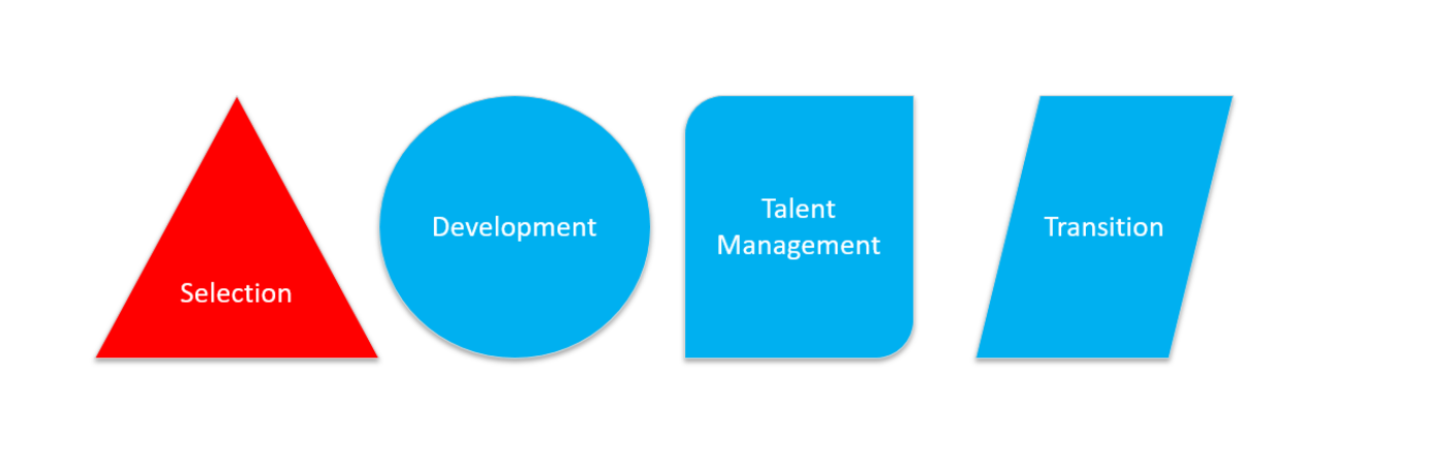
Measuring emotional intelligence should be added to talent management and hiring processes, not to replace other strategies but to strengthen an existing process.
Yes, you still need a comprehensive hiring plan, but what’s now clear to business leaders everywhere is that EI skills and behaviours are as important as your intellect, experience and background in determining success at work and in life.
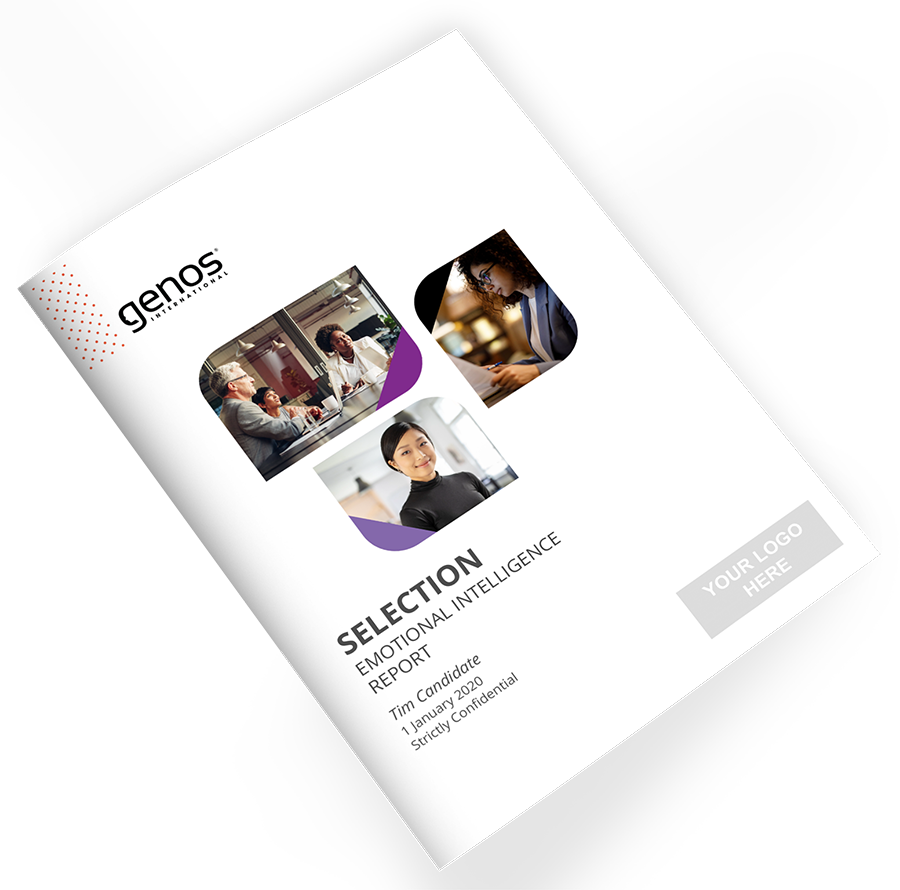
The Genos Emotional Intelligence Selection Report is the best measure of how often a candidate demonstrating emotional intelligence in the workplace. The report allows hiring managers to utilise Emotional Intelligence measures as an additional means to making the best possible hiring decisions. Organisations are integrating Emotional Intelligence into recruitment when selecting, hiring and developing and new employees.
Emotional Intelligence is a set of skills that help us better perceive, understand and manage emotions in ourselves and in others.
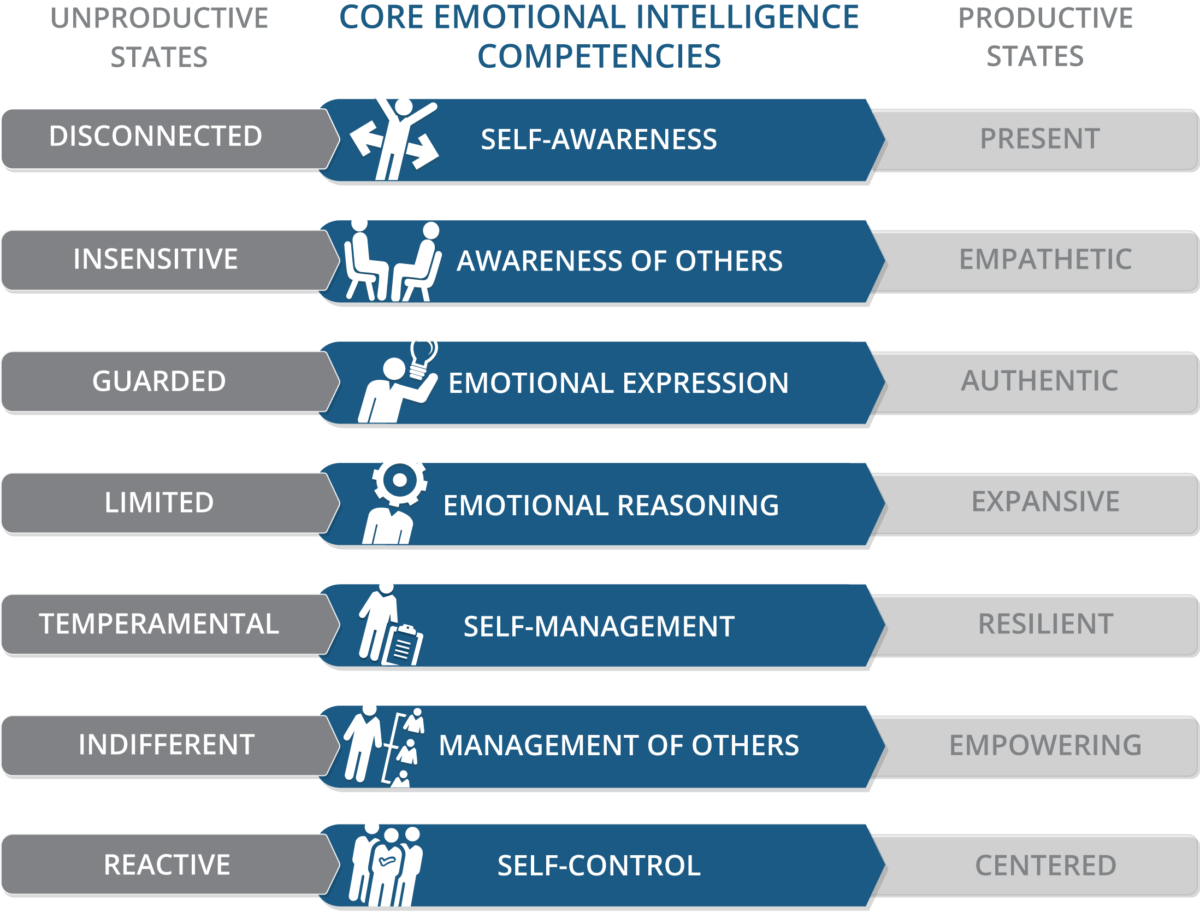
Collectively they help us make intelligent responses to our emotions. These skills are as important as intellect, experience and background in determining success at work and in life.