« I've learned that people will forget what you said, people will forget what you did, but people will never forget how you made them feel.”

Everyone has emotions. It’s a simple fact – a part of our being human. Whether we realise it or not, these emotions impact us every day. They also impact those around us, both in the workplace and in our personal lives.
Studies have shown that high levels of emotional intelligence boost career success, mental health, relationships and happiness. Higher levels of Emotionally Intelligent Workplace Behaviour is also the best antidote to work stress and building personal resilience. The Genos Emotional Intelligence Workplace reports are ideal for individuals and teams who want to develop their emotional intelligence to better connect, collaborate and communicate.
The Genos EI Workplace Behaviour Assessments are available in Self, 180° and 360° formats:
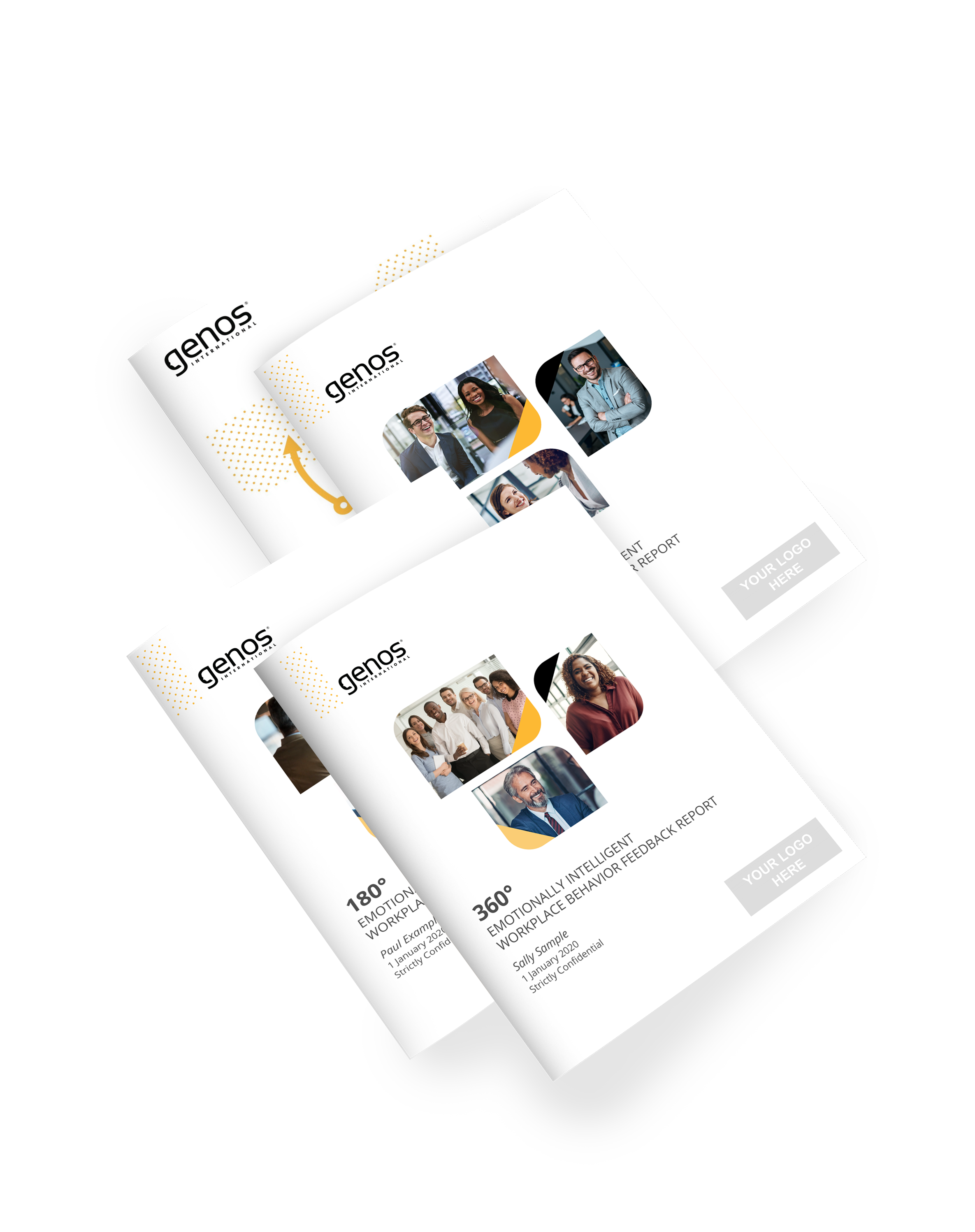
THE SELF WORKPLACE EI ASSESSMENT
How well an individual believes they demonstrate emotionally intelligent workplace behaviour, and how important they believe it is to do so.
THE 180° EI WORKPLACE
How well an individual demonstrates emotionally intelligent workplace behaviour, how important it is to colleagues that they do so, and qualitative comments from raters.
Contains: Feedback from one colleague group & optional self-assessment.
THE 360° EI WORKPLACE
How well an individual demonstrates emotionally intelligent workplace behaviour, how important it is to colleagues that they do so, and qualitative comments from multiple rater groups. Contains: Customisable rater categories, feedback from colleagues & optional self-assessment.
All reports come with a personalised Genos Development Tips workbook. Ideal for individuals to gain insight into how they ‘show up’ at work and pinpoint areas for development:
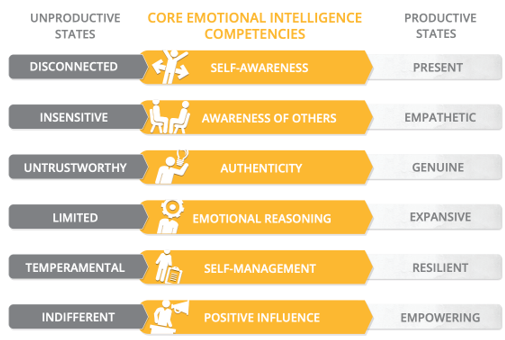
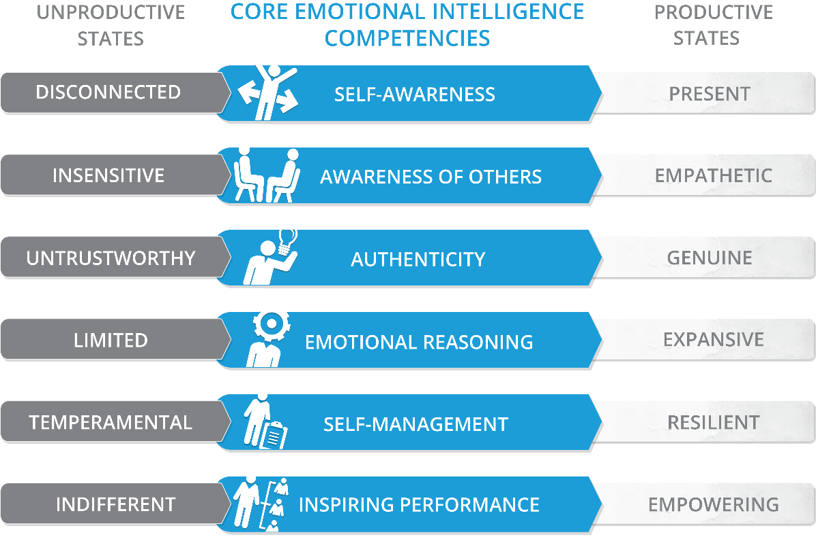
The Genos Workplace Model comprises of a set of emotionally intelligent workplace behaviour competencies. Competencies represent skills and behaviours, based on underlying abilities and experiences, that are measurable and observable. The Genos model looks at demonstrated emotional intelligence.
Great leaders have great people skills.
Genos uses neuroscience and emotional intelligence to help leaders better connect, influence, and inspire others. The result is better productivity combined with a more positive and healthier workplace culture. There is a direct link between the way people feel and the way they perform at work. Research has proven that a leader’s emotional intelligence is key to their capacity to facilitate emotions in others that drive high performance and employee engagement. This is more than just a moral compass; it’s also a recipe for success. Organisations with emotionally intelligent leaders achieve a sustainable competitive advantage, a high-performance culture and customer loyalty.
THE SELF LEADERSHIP EI REPORT
How well a leader believes they demonstrate emotionally intelligent leadership behaviour, and how important they believe it is to do so.
THE 180° EI LEADERSHIP REPORT
How well an individual demonstrates emotionally intelligent leadership behaviour, how important it is to colleagues that they do so, and qualitative comments from raters.
Contains: Feedback from one colleague group & optional self- assessment.
THE 360° EI LEADERSHIP REPORT
How well an individual demonstrates emotionally intelligent leadership behaviour, how important it is to colleagues that they do so, and qualitative comments from multiple rater groups. Contains: Customisable rater categories, feedback from a group of colleagues categorised by manager, peer, direct report and other. Includes optional self-assessment.
All the Genos Reports come with a personalised Development Tips workbook consisting of actionable and effective techniques leaders can apply to develop their emotionally intelligent behaviour.
Salespeople high in emotional intelligence can reflect on their own emotions and adjust them to best fit with the buyer and situation they are dealing with. They can anticipate and plan sales interactions to help ensure the buyer feels valued and confident in dealing with them. Salespeople with high emotional intelligence are more capable of regulating their own emotions, adapting, and influencing the emotions of buyers in a subtle way that brings about positive interactions.
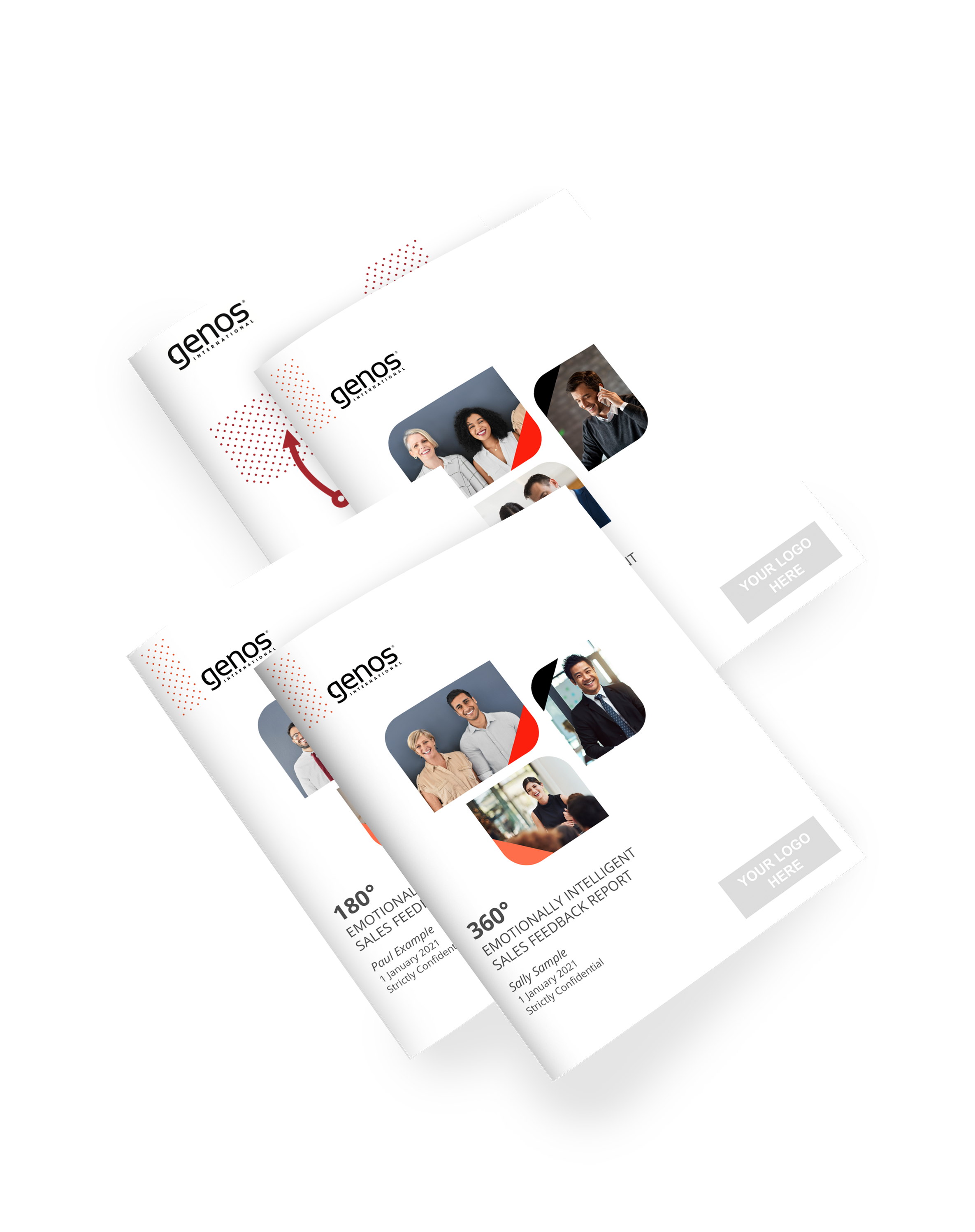
THE SELF SALES EI REPORT
This individual assessment report presents how well an individual believes they demonstrate emotionally intelligent sales behaviour, and how important they believe it is to do so.
THE 180° EI SALES REPORT
How well an individual demonstrates emotionally intelligent sales behaviour, how important it is to colleagues that they do so, and qualitative comments from raters.
Contains: Feedback from Colleagues and Customers.
THE 360° EI SALES REPORT
How well an individual demonstrates emotionally intelligent sales behaviour, how important it is to colleagues and customer that they do so, and qualitative comments from raters. Customisable rater categories.
EMOTIONAL INTELLIGENCE SALES DEVELOPMENT TIPS WORKBOOK
All Genos Reports come with a personalised Development Tips workbook consisting of actionable and effective techniques salespeople can apply to develop their emotionally intelligent behaviour.

One of the reasons we see far too little emotional intelligence in the workplace is that we don’t hire for it. We hire for pedigree. We look for where someone went to school, high grades and test scores, technical skills, and certifications, not whether they build great teams or get along with others. And how smart we think someone is matters a lot, so we hire for intellect.

The case for emotional intelligence is clear. Successful organisations all over the world are now incorporating EI into the development of their people and their Leaders. There’s also a wide variety of research and articles on the importance of hiring FOR emotional intelligence. But in all those blogs and pieces of content, authors don’t talk about HOW to hire for EI.
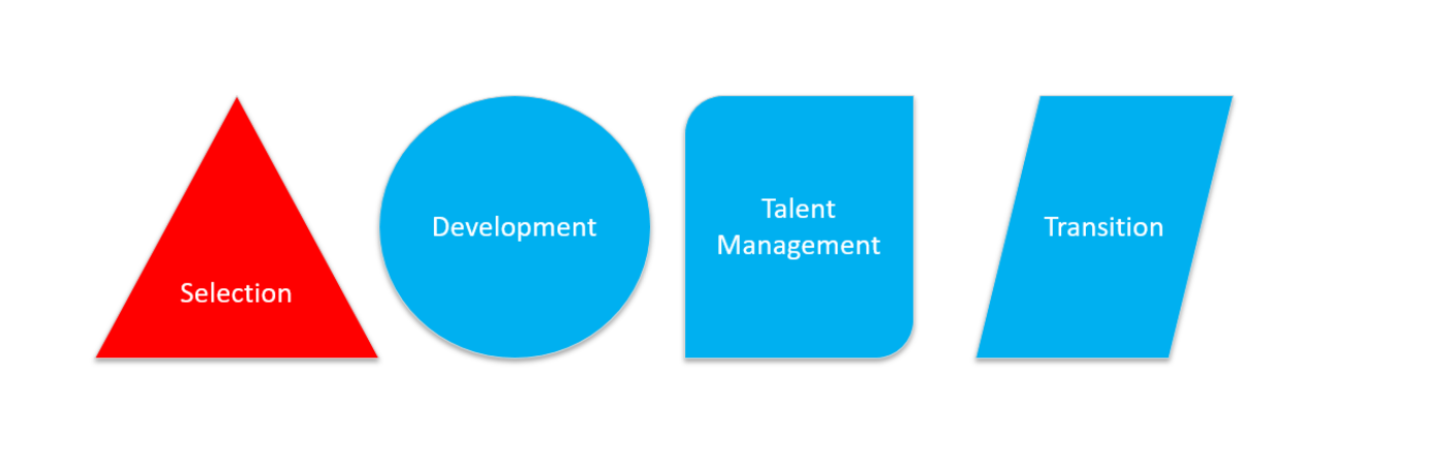
Measuring emotional intelligence should be added to talent management and hiring processes, not to replace other strategies but to strengthen an existing process.
Yes, you still need a comprehensive hiring plan, but what’s now clear to business leaders everywhere is that EI skills and behaviours are as important as your intellect, experience and background in determining success at work and in life.
The Genos Emotional Intelligence Selection Report is the best measure of how often a candidate demonstrating emotional intelligence in the workplace. The report allows hiring managers to utilise Emotional Intelligence measures as an additional means to making the best possible hiring decisions. Organisations are integrating Emotional Intelligence into recruitment when selecting, hiring and developing and new employees.
Emotional Intelligence is a set of skills that help us better perceive, understand and manage emotions in ourselves and in others.
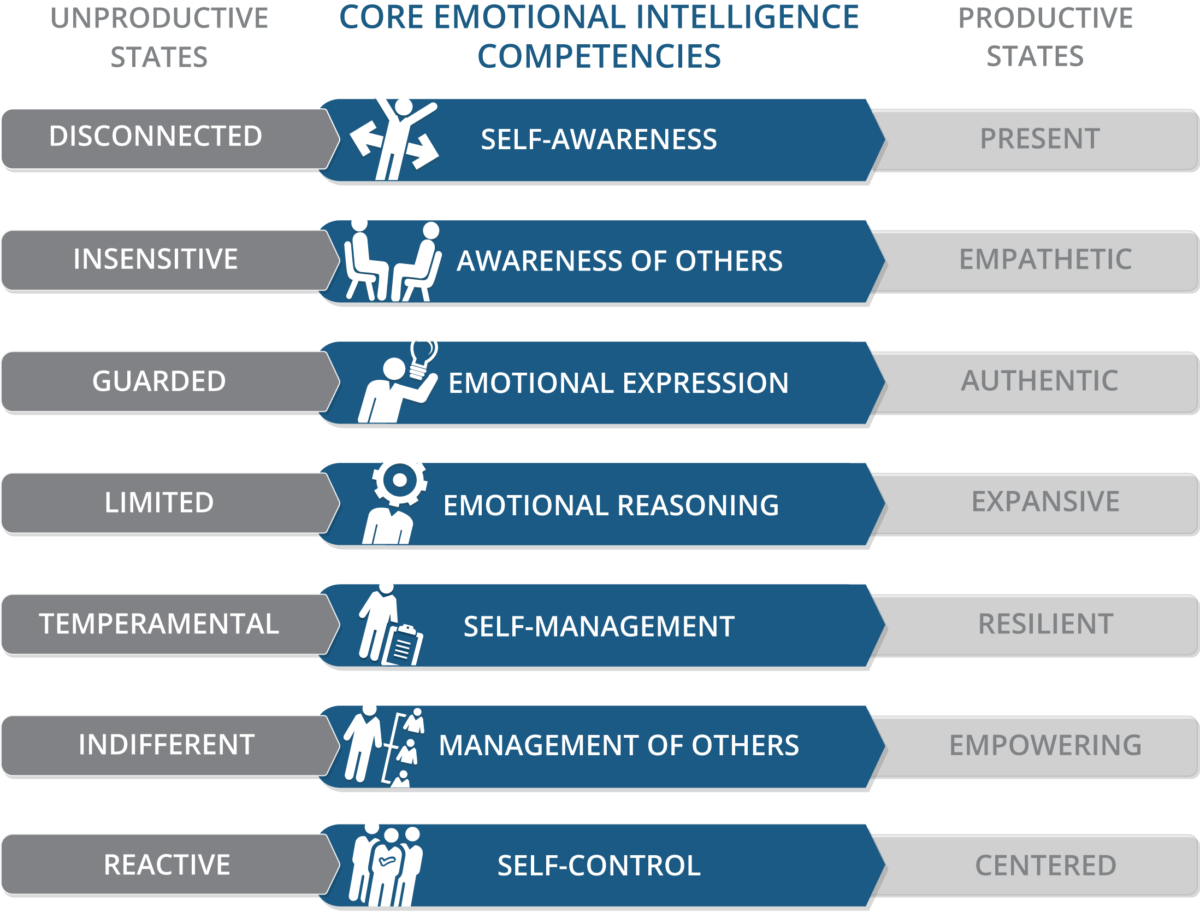
Collectively they help us make intelligent responses to our emotions. These skills are as important as intellect, experience and background in determining success at work and in life.
To find out HOW you can Hire for Emotional Intelligence- CTA

“Every organization has an emotional culture, even if it’s one of suppression.”

We all experience a wide range of feelings at work. These influence our decisions, behaviour and performance. Check the pulse of your organisation with the Emotional Culture Index.